
EXPANDING GLOBAL REACH THROUGH REGIONAL CONFERENCES
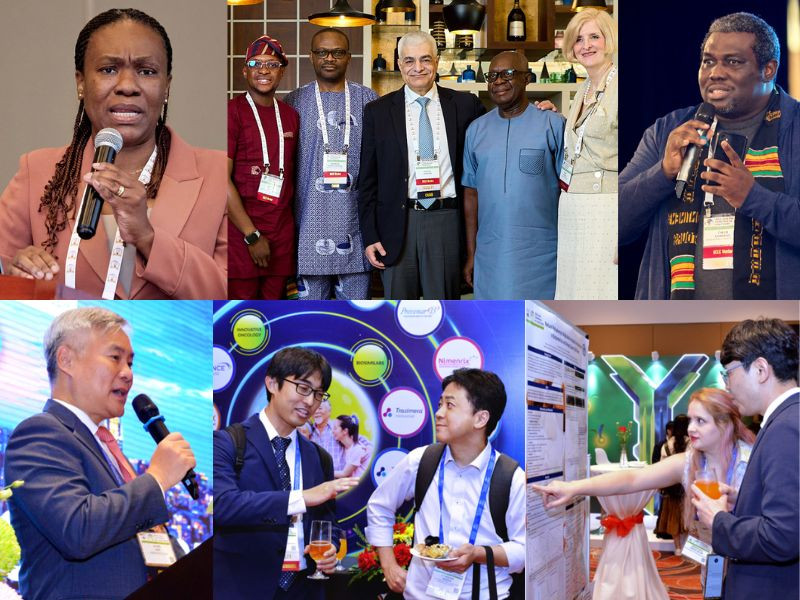
IASLC’s inaugural Pan-Africa Lung Cancer Conference, held in Accra, Ghana, in early 2025, marked a milestone in the organization’s global engagement strategy and its first conference of this kind on the African continent. Designed as an intentional investment in a region historically underrepresented in global oncology forums, the conference demonstrated the value of bringing IASLC expertise directly to local clinicians and researchers by creating space for region-specific discussions on epidemiology, access, and care delivery. These meetings enable leadership development and sustained collaboration that cannot be achieved through global conferences alone. Reflecting this impact, IASLC leadership approved the Pan-Africa Conference as a recurring biennial meeting, with the next conference planned for 2027, and is investing in new lung cancer initiatives across Africa through its African Impact Grants. Together, these efforts reflect IASLC’s continued commitment to strengthening regional capacity, expanding global inclusion, and advancing lung cancer care worldwide.


Strengthening Governance for a Global Future
In 2025, IASLC completed a comprehensive review and final vote on updates to its governance framework, reflecting the organization’s ongoing commitment to effective leadership, transparency, and responsiveness to its global membership. A key bylaw update was an adjustment to leadership and Board terms to support continuity while enabling fresh perspectives. This year’s elected board members will serve three-year terms, a departure from the previous four-year term limits. Additional bylaw updates included revisions to quorum requirements to better align with international participation and administrative updates designed to modernize and clarify existing language. The IASLC also conducted its Board of Directors election and committee selection process. This year’s process reflected the deep engagement of the IASLC community, with members contributing through nominations, campaigning, and thoughtful feedback. The newly elected Board represents seven different countries, making it the most globally diverse Board of Directors in IASLC’s history. This breadth of perspectives strengthens IASLC’s role as a truly international organization and reinforces its commitment to advancing lung cancer research and care worldwide.
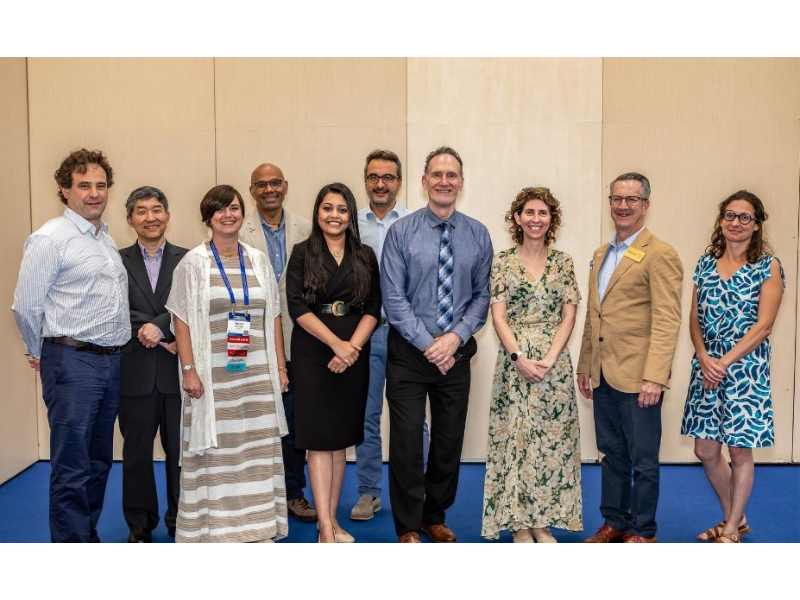
New Board Members
Image



A Record-Setting Year in Barcelona
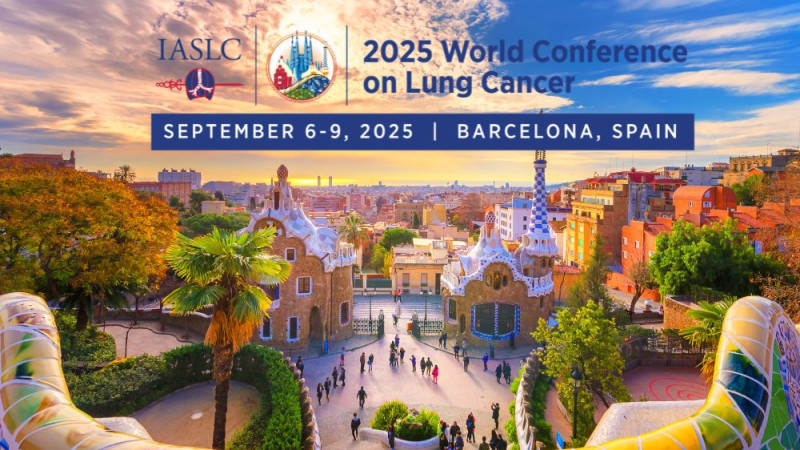
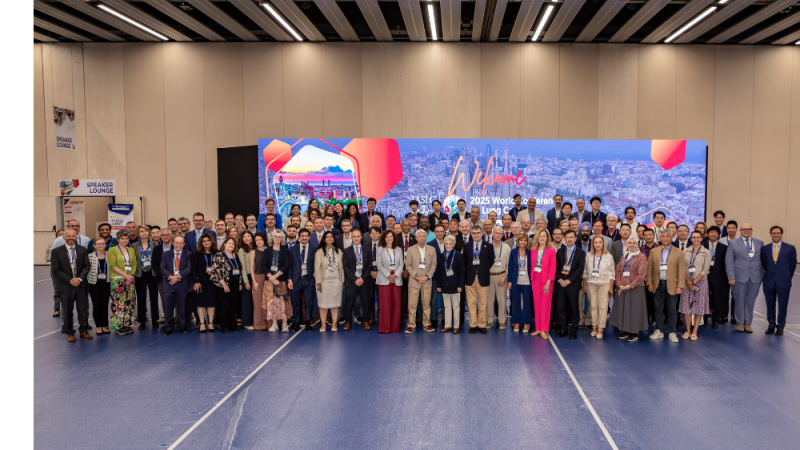
The annual World Conference on Lung Cancer is the primary global touchpoint where IASLC’s mission comes to life. In 2025, the conference exceeded expectations, setting a record for total attendees and selling out both exhibit space and advisory board meeting space. New to the conference in 2025, the IASLC Awards Luncheon recognized education award winners, mentorship program participants, and IASLC Foundation grant recipients, while fostering networking and peer celebration.
WCLC’s scientific program featured important clinical trial data, including overall survival results from the FLAURA2 trial in first-line treatment for EGFR-mutated advanced non-small cell lung cancer. Sessions also highlighted ongoing advances in immunotherapy, targeted therapies, and multidisciplinary care across both non-small cell and small cell lung cancer. And even more presentations focused on early detection, molecular profiling, and emerging treatment strategies shaping the future of lung cancer care.
ATTENDANCE & REACH
7,781
Delegates: In-Person & Virtual
101
Countries/Regions
77
Supporters & Exhibitors
Program Scale & Scientific Contributions
19
Industry Symposia
54
Ancillary & Ad Board Meetings
2,212
Submitted Abstracts
1,550
Posters & ePosters
Education & Engagement
80
Education & Awards
398
Invited Faculty
940
Total Video Views
Press Program Impact
13,100
Total Media Mentions
1.4+ Trillion
Potential Media Views
5.1 Million
In Earned Media Value
15,683
News Release Views

Noemi Reguart, Co-Chair of WCLC 2025, discusses the success and impact of the conference in Barcelona, Spain.
Global adoption of IASLC staging recommendations
IASLC’s lung cancer staging work reached a major milestone in 2025 when the Staging and Prognostic Factors Group’s 9th edition thoracic malignancy staging recommendations were adopted by both the American Joint Committee on Cancers and the Union for International Cancer Control. This was the culmination of many years of multinational, member-driven work and represents a huge leap in global clinical impact. There were more than 200 contributors worldwide, with more than need this number countries participating in the seven-year project.
Connecting the Global Thoracic Oncology Community
Connecting with colleagues at conferences is invaluable, but meaningful collaboration shouldn’t end when an event does. To sustain momentum between meetings and extend the impact of committees, projects, and global convenings, IASLC launched Thoracic Circle, a dedicated online community platform. Built in direct response to member feedback, Thoracic Circle is designed to function as a living, global member directory. Its purpose? To help members identify expertise, find collaborators, and connect with peers across disciplines and regions throughout the year.
By providing a centralized space for ongoing engagement, Thoracic Circle helps ensure that ideas sparked at conferences and meetings continue to move forward long after in-person events conclude. With built-in translation across more than two dozen languages, Thoracic Circle also advances equitable participation and global inclusion, allowing members to engage fully regardless of where they live or what language they speak.
Accelerating Lung Cancer Research Through Data Access
Today’s clinicians and researchers in thoracic oncology have access to more information than ever before, spread across countless online databases. But with so much available, the real challenge is sorting through it all and making sense of what matters most—knowledge that drives cancer research forward, supports new treatment development, and ultimately helps save lives. That’s where IASLC’s Virtual International Knowledgebase for Thoracic Oncology Research (VIKTOR) comes in. VIKTOR, launched officially in December, is a bioinformatics platform that creates a shared, collaborative space for researchers to find and share existing digital information about preclinical models, beginning with cell lines. VIKTOR’s development was led by members of the Basic and Translational Sciences Committee. Available exclusively to active IASLC members, the platform integrates data from established sources, including Cellosaurus, NeXtProt, PharmacoDB, and Human Protein Atlas, and makes that information accessible through an interactive interface designed around researcher needs.

Ferdinando Cerciello shares an overview of VIKTOR, the newest project from the Basic and Translational Science Committee.
Deepening Engagement Among Emerging and Mid-Career Professionals
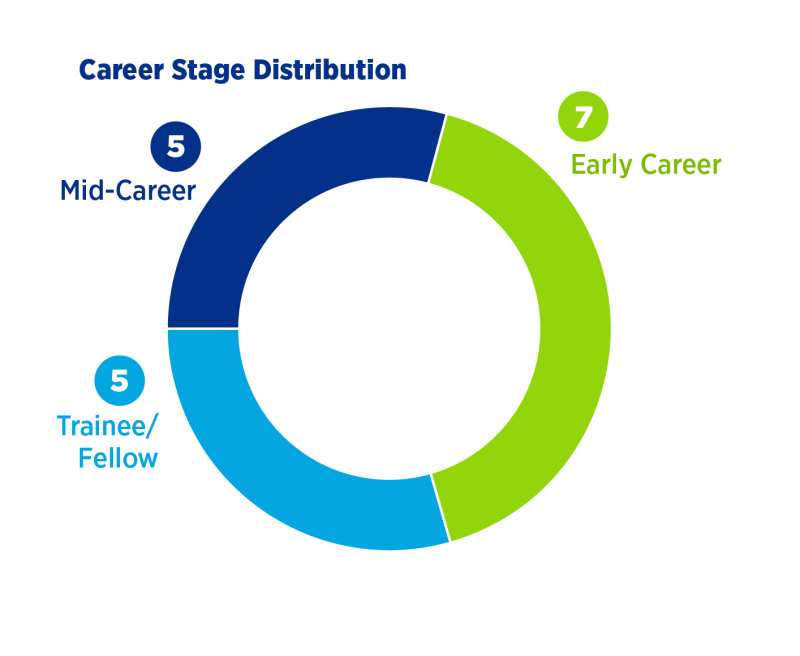
For many early- and mid-career professionals, balancing research with teaching, mentoring, and clinical responsibilities can make it challenging to pursue new ideas. In 2025, IASLC continued to provide targeted opportunities that support innovation, skill development, and career growth for these groups.
The Career Advancement Grant program represents a remarkably diverse portfolio of research spanning multiple continents, specialties, and career stages. Designed to bridge early-career professionals with more advanced research opportunities, the IASLC’s early-career grant projects, supported by the Adi F. Gazdar Fellowship, LCFA/IASLC Translational Research Grants, and Young Investigator Awards, further showcase the community’s global reach and innovation.
In late 2025, IASLC launched the Leadership Development Program to cultivate the next generation of leaders in thoracic oncology. The program emphasizes global mentorship, leadership training, career navigation tools, and practical experience through real-world projects. Additional professional development initiatives include the Reviewer Workshop, the IASLC Academy, and the International Mentorship Program. In 2025, the IASLC Academy saw a record number in both participants and voting numbers for the Amazing Case Race, a culmination of their participation, which selects cases for simulations in Lung Cancer 360. These programs strengthen engagement, build global research capacity, and reinforce IASLC’s commitment to sustained, long-term mentorship and collaboration.
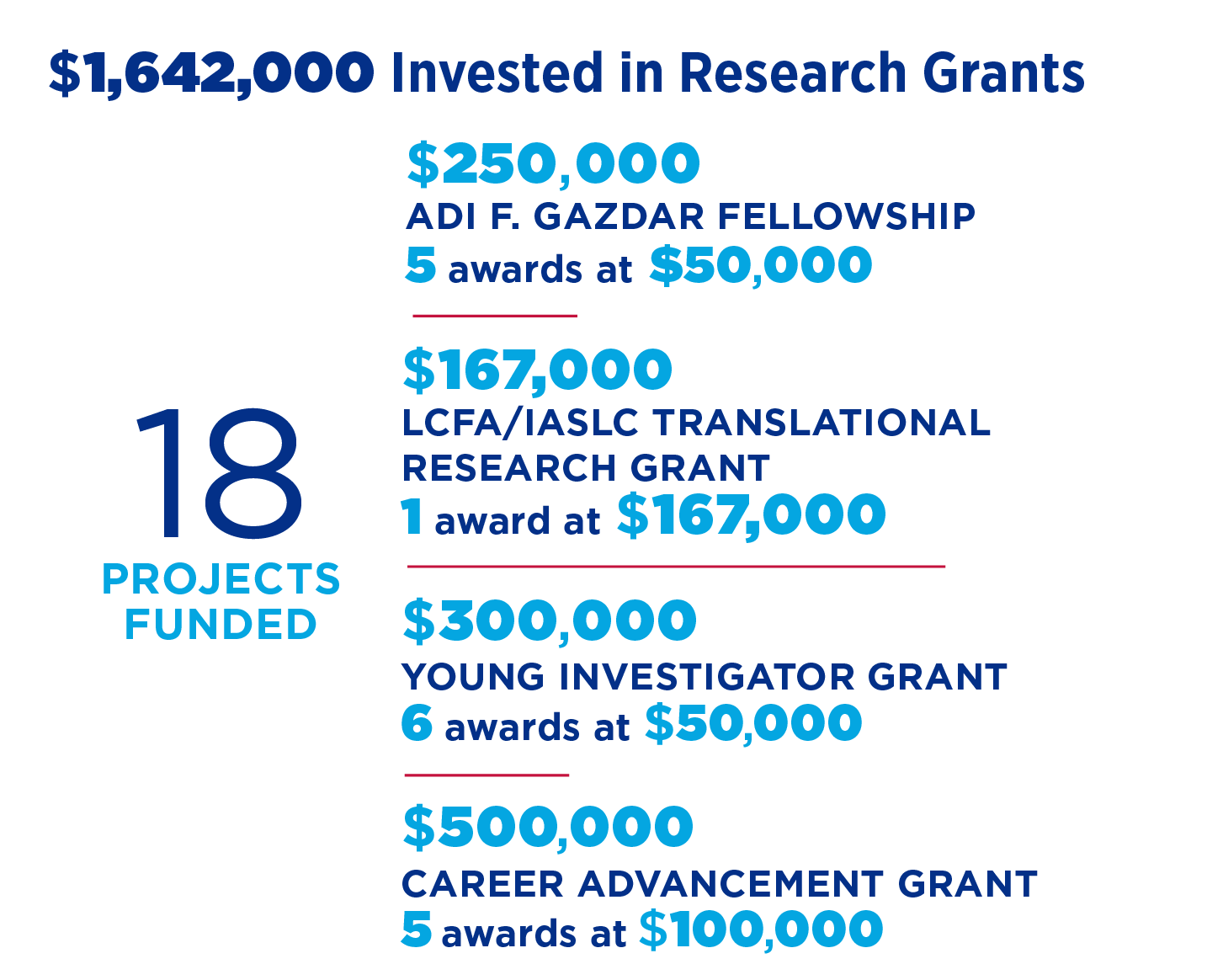
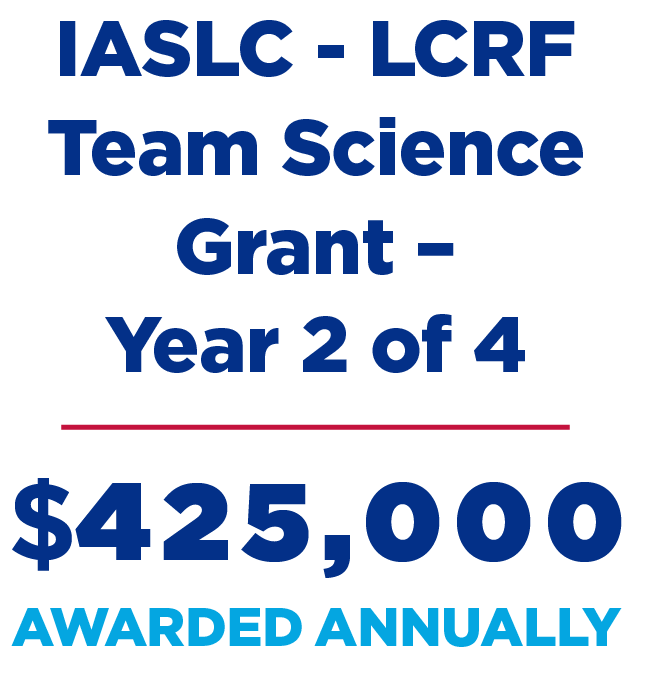
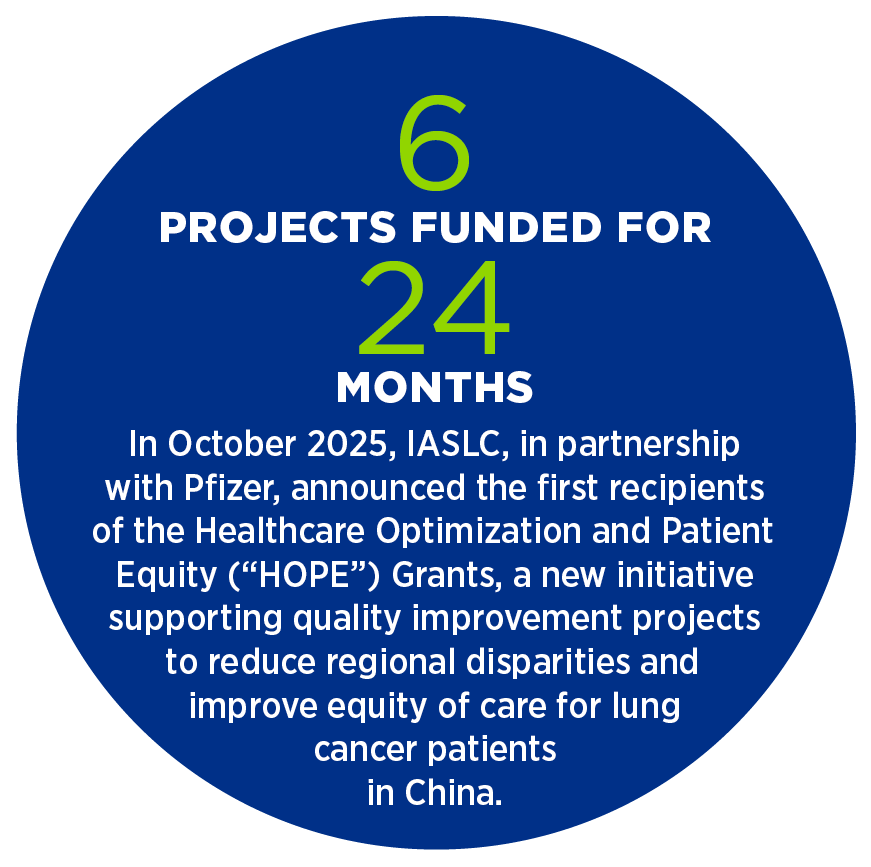
Funding by Grant program